
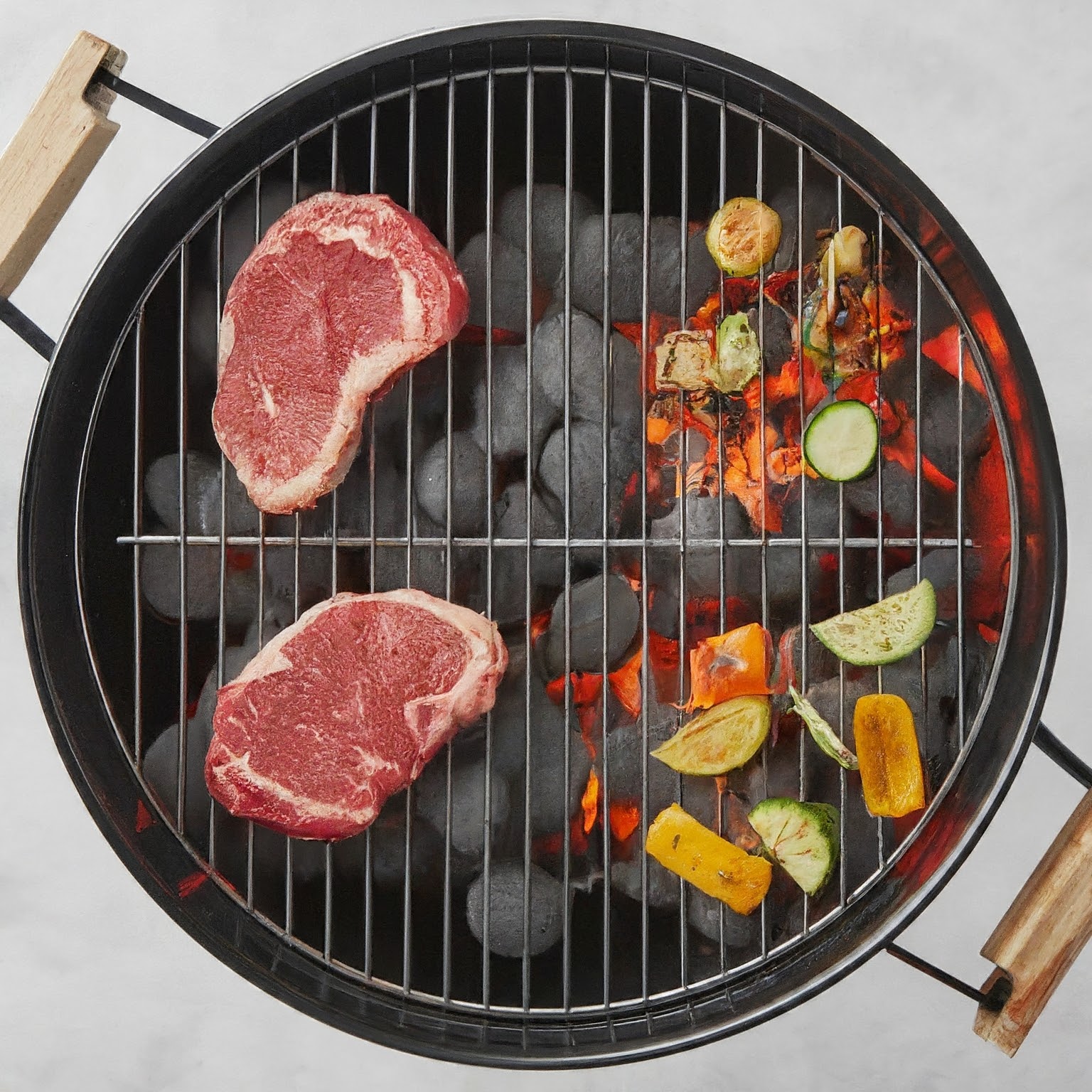
Two-zone grilling is a technique that utilizes two distinct heat zones on a grill: a direct heat zone and an indirect heat zone. This method provides greater control over the cooking process and allows for the preparation of a wider variety of foods. The direct heat zone is used for searing meats and creating grill marks, while the indirect heat zone is suitable for cooking delicate foods or slow-cooking larger cuts of meat.


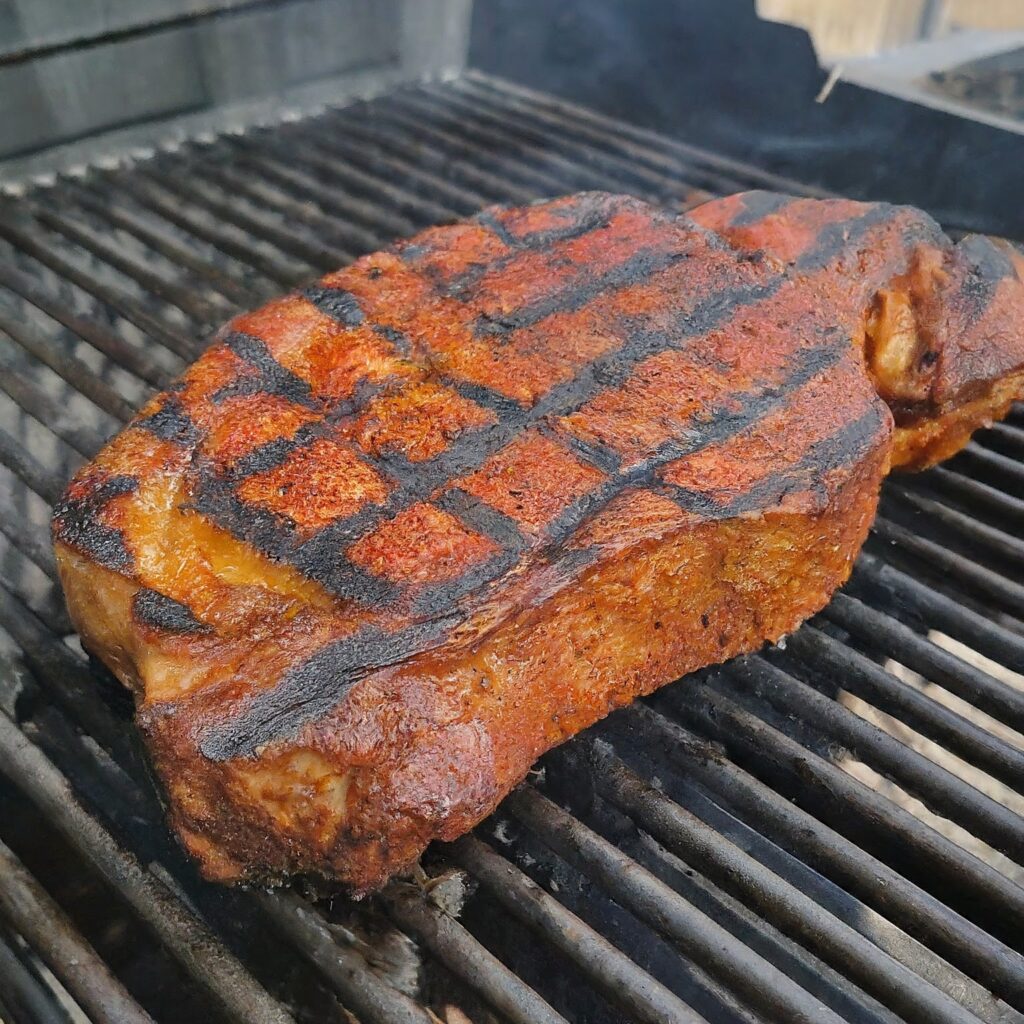
Mastering two-zone grilling requires understanding how to effectively use these different heat zones. In a two-zone grilling setup, manipulating the heat is crucial for achieving desired results. The direct heat zone is used for initial searing, while the indirect heat zone allows for finishing the cooking process without burning.
This setup also enables the simultaneous cooking of different foods by adjusting heat levels on each side of the grill to accommodate varying cooking times and temperature requirements. Proficiency in utilizing the two heat zones enhances a griller’s versatility and skill.
Key Takeaways
- Two-zone grilling involves creating two different heat zones on the grill: direct heat for searing and indirect heat for slow cooking.
- When choosing a grill for two-zone grilling, consider the size, fuel type, and heat distribution for even cooking.
- Preparing your grill for two-zone grilling involves cleaning the grates, arranging the coals or burners, and adjusting the vents for temperature control.
- Perfecting two-zone grilling techniques includes mastering the art of searing, indirect cooking, and using a thermometer for accurate temperature monitoring.
- Tips for maintaining two-zone grilling temperature include adjusting the vents, adding more fuel as needed, and using a grill thermometer for precision.
- Mastering two-zone grilling for different foods involves understanding the cooking times and heat requirements for various meats, vegetables, and seafood.
- Troubleshooting common two-zone grilling issues includes addressing uneven heat distribution, flare-ups, and maintaining consistent temperature control.
Choosing the Right Grill for Two-Zone Grilling
Gas Grills: Convenience and Ease of Use
Gas grills are popular for their convenience and ease of use, and many models are designed with multiple burners that make it easy to create two distinct heat zones.
Charcoal Grills: Smoky Flavor and Versatility
Charcoal grills, on the other hand, are favored by many grilling enthusiasts for the smoky flavor they impart to food. They can also be set up for two-zone grilling by banking the coals on one side of the grill.
Pellet Grills: Precise Temperature Control and Consistency
Another option for two-zone grilling is a pellet grill, which uses wood pellets as fuel and offers precise temperature control. Pellet grills are known for their versatility and ability to maintain consistent heat levels, making them a great choice for two-zone grilling.
When choosing a grill for two-zone grilling, it’s essential to consider factors such as size, fuel type, and temperature control capabilities. Ultimately, the right grill for you will depend on your personal preferences and grilling needs.
Preparing Your Grill for Two-Zone Grilling

Before you can start two-zone grilling, it’s important to properly prepare your grill to ensure that it’s set up for success. If you’re using a gas grill, this may involve preheating the grill and adjusting the burners to create two distinct heat zones. For charcoal grills, you’ll need to arrange the coals to create a hot zone and a cooler zone.
It’s important to give your grill enough time to preheat so that both heat zones are at the desired temperature before you start cooking. In addition to setting up the heat zones, it’s also important to clean your grill grates and oil them to prevent sticking. This will help ensure that your food cooks evenly and develops those coveted grill marks.
Preparing your grill for two-zone grilling may also involve adding wood chips or chunks to create smoke if you’re looking to infuse your food with extra flavor. Taking the time to properly prepare your grill will set the stage for successful two-zone grilling and delicious results.
Perfecting Two-Zone Grilling Techniques
| Grilling Technique | Description |
|---|---|
| Two-Zone Grilling | A grilling method where the grill is divided into two heat zones: direct heat for searing and indirect heat for slow cooking. |
| Temperature Control | Adjusting the grill’s vents to control the temperature of the two zones for optimal cooking results. |
| Meat Searing | Using the direct heat zone to quickly sear the exterior of the meat for flavor and texture. |
| Slow Cooking | Utilizing the indirect heat zone to slowly cook the meat through without burning the exterior. |
| Even Cooking | Achieving even cooking by moving the meat between the two zones as needed during the grilling process. |
Perfecting two-zone grilling techniques takes practice and patience, but with time and experience, you can become a master at this versatile cooking method. One key technique for two-zone grilling is knowing when to use each heat zone for different types of food. For example, you might start by searing a steak over direct heat to achieve a caramelized crust before moving it to the indirect heat side to finish cooking to your desired level of doneness.
Another important technique is learning how to control the temperature on each side of the grill. This may involve adjusting the burners on a gas grill or rearranging the coals on a charcoal grill to achieve the right level of heat for different foods. It’s also important to practice good grill management techniques, such as flipping and rotating your food as needed to ensure even cooking.
With time and practice, you’ll develop a better understanding of how to perfect your two-zone grilling techniques and achieve delicious results every time. In addition to mastering basic two-zone grilling techniques, it’s also important to experiment with different flavors and ingredients to take your grilling skills to the next level. This may involve using marinades, rubs, or sauces to enhance the flavor of your food, as well as incorporating wood chips or chunks for added smoke flavor.
By experimenting with different techniques and flavors, you can elevate your two-zone grilling game and impress your friends and family with mouthwatering meals hot off the grill.
Tips for Maintaining Two-Zone Grilling Temperature
Maintaining consistent temperatures on both sides of the grill is essential for successful two-zone grilling. One tip for maintaining temperature is to regularly monitor the heat levels using a reliable grill thermometer. This will allow you to make adjustments as needed to ensure that both heat zones are at the optimal temperature for cooking.
It’s also important to keep an eye on the fuel source, whether it’s gas burners or charcoal, and make sure that it’s replenished as needed to maintain consistent heat levels. Another tip for maintaining temperature during two-zone grilling is to minimize heat loss by keeping the grill lid closed as much as possible. Opening the lid frequently can cause fluctuations in temperature and extend cooking times, so it’s best to keep it closed except when necessary for flipping or checking on your food.
Additionally, using high-quality fuel sources such as hardwood charcoal or premium wood pellets can help maintain more consistent temperatures throughout the cooking process. By following these tips and staying vigilant about temperature control, you can achieve better results with your two-zone grilling.
Mastering Two-Zone Grilling for Different Foods

Cooking Delicate Foods
When grilling delicate foods such as fish or seafood, it’s essential to use the indirect heat side of the grill to prevent overcooking or drying out. This approach enables these foods to cook more gently and evenly, without direct exposure to high heat.
Cooking Thicker Cuts of Meat
On the other hand, thicker cuts of meat or larger items benefit from starting on the direct heat side for searing before moving to the indirect heat side to finish cooking at a lower temperature. This technique ensures a crispy crust on the outside and a tender interior.
Expanding Your Culinary Repertoire
By mastering two-zone grilling techniques for different foods, you can expand your culinary repertoire and impress your guests with a wide variety of delicious grilled dishes. Whether you’re cooking for a small gathering or a large party, two-zone grilling provides the flexibility and control to achieve perfect results every time.
Troubleshooting Common Two-Zone Grilling Issues
Even experienced grillers may encounter common issues when using a two-zone grilling setup. One common issue is uneven heat distribution, which can result in food cooking too quickly on one side of the grill or not cooking evenly overall. To troubleshoot this issue, it’s important to check that your grill is properly preheated and that there are no obstructions blocking the flow of heat.
You may also need to adjust the position of your food on the grill or make changes to your heat source to achieve more even cooking. Another common issue with two-zone grilling is maintaining consistent temperatures over an extended cooking time. If you find that one side of your grill is consistently hotter than the other, it may be necessary to make adjustments to your fuel source or burner settings to achieve more balanced heat levels.
Additionally, using a high-quality grill thermometer can help you identify any temperature discrepancies between the two heat zones so that you can make necessary adjustments as needed. In conclusion, mastering two-zone grilling requires an understanding of the technique, choosing the right grill, proper preparation, perfecting techniques, maintaining temperature, mastering different foods, and troubleshooting common issues. With practice and patience, you can become a skilled griller capable of creating delicious meals using this versatile cooking method.
Whether you’re searing steaks, slow-cooking ribs, or grilling delicate seafood, two-zone grilling offers endless possibilities for creating mouthwatering dishes that will impress your friends and family at your next backyard barbecue.
If you’re interested in mastering the two-zone grilling technique, you might also want to check out this article on how to choose the best charcoal for grilling on CooksGrill.com. Choosing the Best Charcoal for Grilling offers valuable tips and insights on selecting the right charcoal for your grilling needs, which can greatly impact the success of your two-zone grilling technique.
FAQs
What is the two-zone grilling technique?
The two-zone grilling technique involves creating two distinct heat zones on the grill: a direct heat zone for searing and a cooler indirect heat zone for slower, more gentle cooking.
How do you set up a two-zone grill?
To set up a two-zone grill, simply arrange the charcoal or gas burners so that one side of the grill has high heat and the other side has lower or no heat. This creates the direct and indirect heat zones.
What are the benefits of using the two-zone grilling technique?
The two-zone grilling technique allows for more control over the cooking process. It enables you to sear meats quickly over high heat and then move them to a cooler area to finish cooking without burning. It also allows for simultaneous cooking of different types of food at different temperatures.
What types of foods are best suited for the two-zone grilling technique?
The two-zone grilling technique is ideal for cooking a wide range of foods, including steaks, burgers, chicken, fish, vegetables, and even delicate items like pizza or desserts.
Are there any specific tips for mastering the two-zone grilling technique?
Some tips for mastering the two-zone grilling technique include using a reliable grill thermometer to monitor the temperature of both zones, adjusting the position of the food as needed, and practicing to get a feel for the different heat levels and cooking times.


